Chapter 4 Relationships and Sexuality

I have not been very productive with my health aspect this week. After the shock of a tree falling through my house wore off I had a heap of emotions to deal with. I feel like I have been backed into a corner and now I have to commute 1 hour to class (which is not terrible, but compared to my 5 minute walk its a whole lot worse). I have been trying to focus on identifying what I am feeling and working through it, but I can feel myself shutting down due to all the stress. I was only able to make it to the gym once this week and I have been eating terribly. I keep trying to remind myself to make better decisions when it comes to what I’m putting in my body and make time for the gym, but it has not been easy.

When it is time to eat I find myself bouncing between a healthy meal or unhealthy meal, and I have noticed, with my mood lately I have been choosing the unhealthy option because it is comforting. I have been trying to change my mindset and get back on track with my healthy eating, but it is easier said than done.
This chapter was not an easy one for me to read, because the part about relationships is all too real. I have been in an unhealthy relationship for about 6 months now and it has taken me a while to come to terms with the fact that it is not a healthy situation for me to be in. As a woman, I watch out for red flags in every relationship I come into because it is so easy to fall into an abusive relationship. My relationship was not abusive, but we were not healthy for each other. According to Sternberg’s theory of love, we had a romantic love type of relationship. This kind of love does not often last because it contains passion and intimacy, but is missing the crucial third part, commitment. After reading the chapter and using what I learned to analyze my relationship, I have realized quite a few things. First off I was very bad with communication and that caused him to get jealous. We both had our faults, but this chapter showed me a few ways to cope with my failed relationship. Two pieces of advice that I really liked were “Acknowledge that you’ve gone through a rough spot” (Donatelle ,2019, p.85) and “Let go of negative thought patterns and habits and engage is activities that make you happy” (Donatelle, 2019, p.85). It is very important to acknowledge your emotions and validate what you have gone through and then learn to change those emotions into positive ones by doing things that make you happy. These are not easy things to do, but they are things that I need to work on in order to progress on my health aspect as well as other goals that I have.

At the end of the chapter, Donatelle touches on Alcohol, Drugs and Sex. There is a section on date rape drugs that I would like to touch upon. The book talks about how roofies have become prevalent on college campuses, but fails to mention that these drugs are everywhere and it is not only women that need to be aware of the epidemic. My older brother lives in Chicago and got roofied at one of his favorite bars about a year ago. He went to this bar every week so he felt very safe there, until one night he woke up in an ambulance on the way to the hospital because he had high levels of rohypnol in his system. He was lucky that he was with a bunch of his friends at the time, or else who knows what could have happened? I think it is important to explain that, YES, women need to watch out for date rape drugs, but so do men. Anyone could find themselves in trouble so we need to watch out for ourselves and our friends.

I find the term androgyny very interesting because it is something I have never heard before reading about it. Basically “androgyny refers to the combination of traditional masculine and feminine traits in a single person” (Donatelle, 2019, p.86). I find it interesting because I find it hard to believe that anyone is not androgynous. It is 2020 ladies and gentlemen, I am a female with a handful of masculine traits, I do a bit of both traditional gender roles and most other people do too. I also know many men who possess feminine traits and I just find it kind of weird that there is a term for it when it applies to everyone.
Chapter 3 Stress

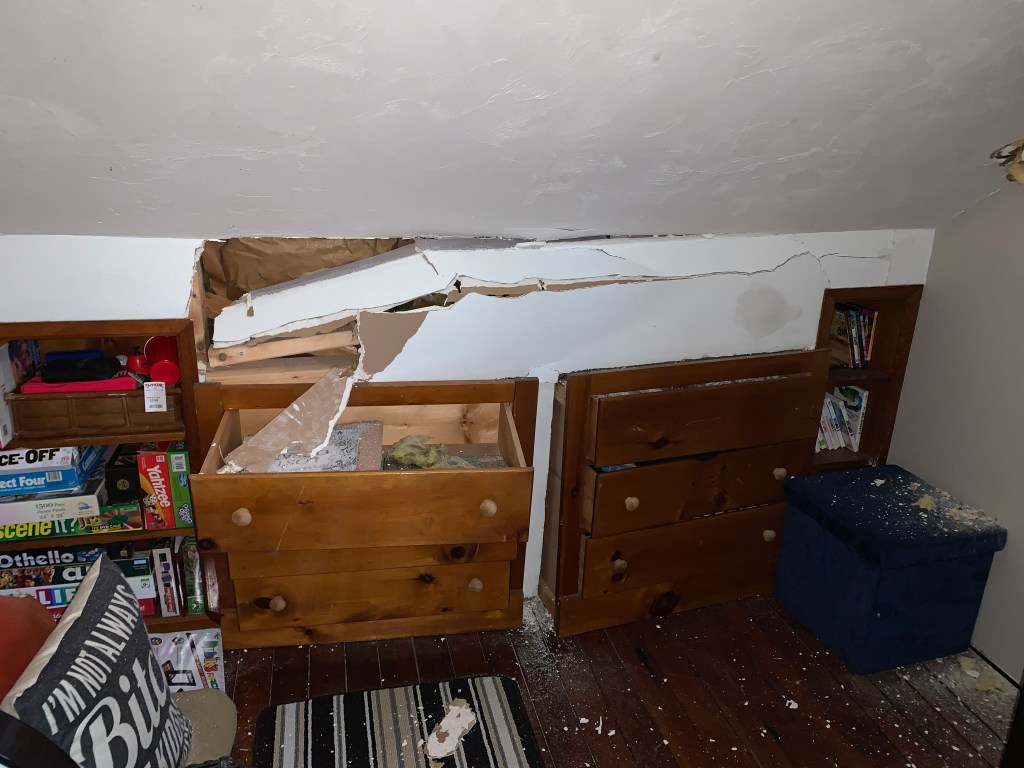
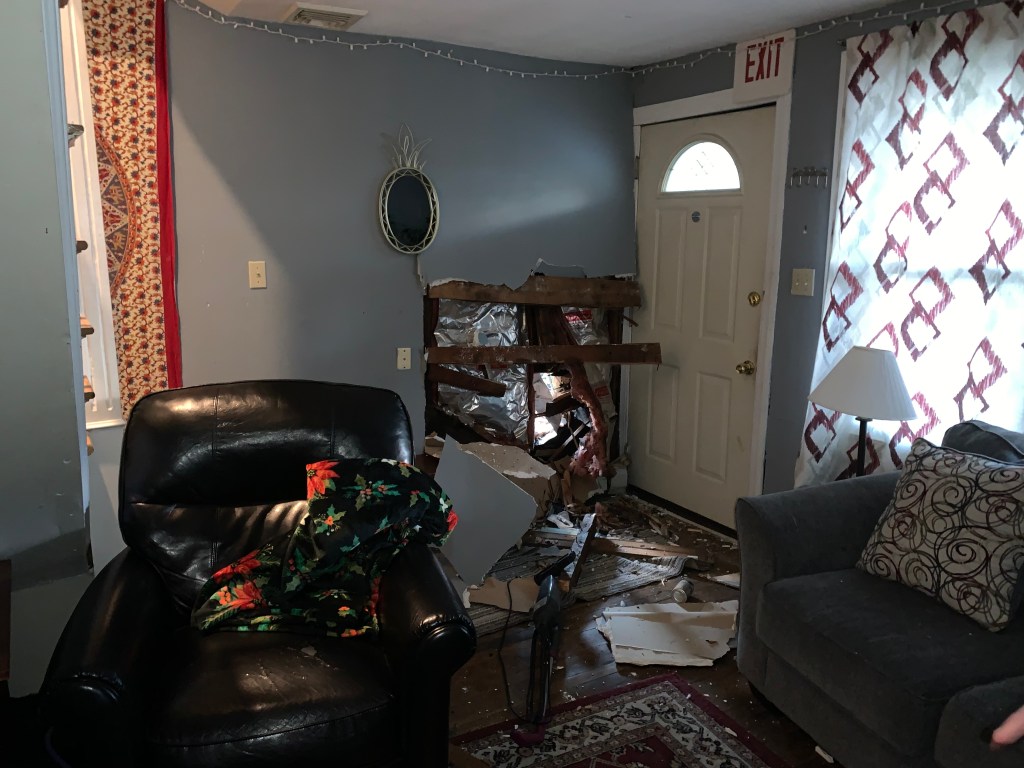
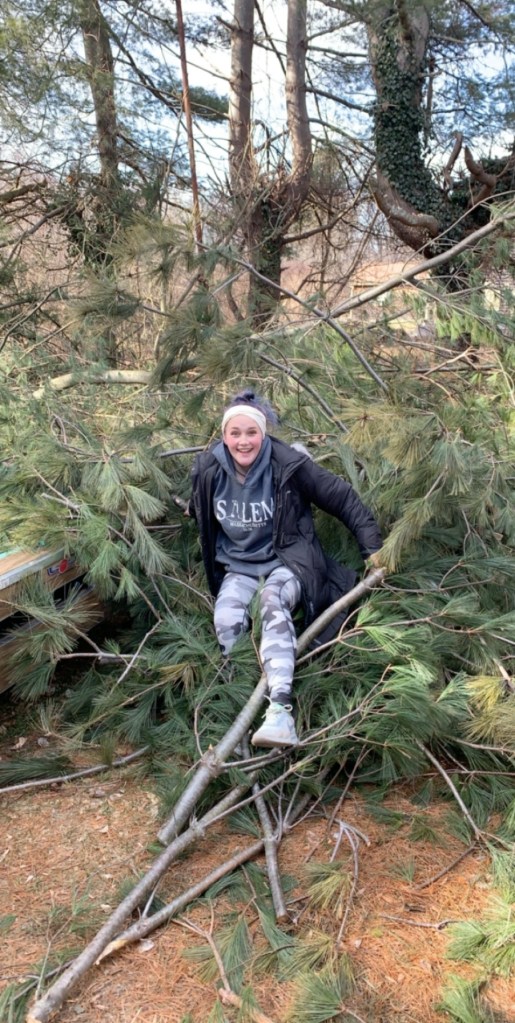
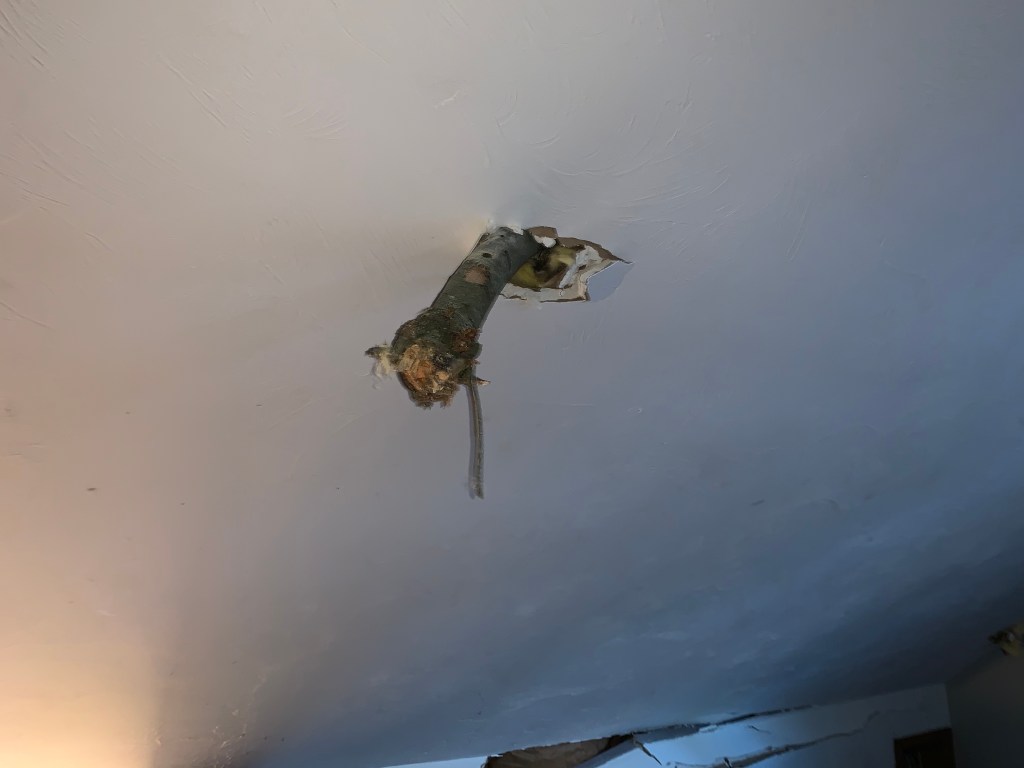
This past Friday morning, I came home from the gym to find a tree collapsed onto my apartment. Along with the other stressors that college, work, family, and friends have been putting on me, my apartment has been condemned. Luckily no one was hurt, but my roommates and I lost our home. My roommate Shannon (who is also in this class) were freaking out not knowing how to handle a situation like this. After calling the fire department, they declared the house unsafe to live in so we had to move out, and fast. Originally, the fire department was going to give us 15 minutes to get everything we owned out of the apartment, but we convinced them to give us an hour. Needless to say this was one of the most chaotic and stressful weekends of my life.

“Natural disasters are among the most stressful events people can experience. The immediate event is traumatic and is followed by months of trying to get life back to ‘normal'”

Donatelle, 2019, page 51

The quote above followed my introduction well because it was a traumatic natural disaster that my roommates and I went through this weekend. Obviously things could have been a lot worse and there are other disasters that are far more traumatizing and life threatening, but if there is one thing I have learned over the years it is that even though someone else might have it worse than you, that doesn’t mean that you’re not struggling. I try to work this into my daily life because I often find myself invalidating what I am going through because it “could be worse” and that is not a healthy way of thinking. To apply the General Adaptation Syndrome to my experience this weekend I would say that I was in the Alarm stage for a while. The first thing I did when it all happened was to get our two dogs to a safe place. I think this must have been my fight or flight response telling me to get the heck out of there, especially because my fur babies were in potential danger. I can remember my adrenaline pumping for quite a while after the event. Part of me thinks that I still might partially be in the alarm stage because none of it honestly feels real. A tree falling on my house is not a prolonged event that lasts a while, so it is hard to say if the resistance and exhaustion phase will even happen, nonetheless it was a traumatic event that caused my life to be uprooted (pun intended).

While reading the section about the importance of sleep, I took some time to reflect my sleeping patterns lately and honestly, they’re not great. I have been falling asleep later and later every day, partially due to school work and partially due to stress. I will often find myself laying in bed stressing over all of the things I am going to have to do in the upcoming days. I understand that getting the correct amount of sleep can help you in a number of ways such as maintaining your immune system, contribute to a healthy metabolism and improve mental function. I also understand that a lack of sleep (like the amount that I am getting most nights) may increase my risk for type 2 diabetes and cardiovascular disease. I try to remind myself to use mindfulness and meditation as a way of relaxing my brain and body at night, but I am guilty of not always utilizing these healthy methods of getting to sleep. On page 57, Donatelle(2019) explains a number of ways to make sure that you get a good night sleep and I am embarrassed to say that I am currently writing this blog while in bed. I know… it makes it harder to fall asleep if you do other things in your bed other than sleep. But since I had to move out of my apartment, I am now temporarily living at my mothers and the only place that is quiet is the bedroom I am staying in.

I have not been doing great with my health aspect since this weekend because I have been so stressed out and overwhelmed with the whole situation. I know that sticking as close to my normal routine and getting the the gym regularly as well as eating healthy will help me feel better, but my cortisol levels are probably through the roof right now (like that tree branch). And if If I work harder on staying on track with my exercise, I know now that it can “‘burn[s] off’ stress hormones by directing them toward their intended metabolic function and can combat stress by raising levels of endorphins” (Donatelle, 2019, pg. 63). I have made a plan to go to the gym tomorrow seeing as I have taken 4 days off from exercise, because I need to get back into a routine of being healthy and focusing on the positive. I am excited to start back on my health journey and work through my stress in a healthy way.

Knock on wood so this doesn’t happen again

oak-ay sorry for all the tree jokes!

I just wanted to end this blog by saying I am so thankful that no one was hurt by this tree. It is very sad to lose our home, but I am just glad someone was watching over us making sure we were all safe. My mental health definitely got pretty bad for a few days, but by trying to see the good in it all, I am managing to slowly get myself back to my routine (with some adjustments).

Chapter 2

I wasn’t feeling well the other day at the gym, but I got ready and went anyway. I did not run as I expected, but I walked for 30 mins at a 12 incline. Once I was at the gym I felt better, and had more energy.

Learned Optimism is a term that I have never heard before and that I find very interesting. It is the idea that “by changing our self-talk, examining our reactions, and blocking negative thoughts, we can ‘unlearn’ negative thought processes that have become habitual”(Donatelle, 2019 p.31). Learned optimism is something that everyone can benefit from using and I think it would be a great thing for me to incorporate into my everyday life. I am sure many of us are guilty of listening to negative thoughts, and I think its important to remind ourselves to redirect our thoughts when they happen.

In section 2.3 dysfunctional families are discussed. The book talks about how “dysfunctional families in which there is violence, distrust, anger, dietary deprivation, drug abuse , significant parental discord, or abuse” ( Donatelle, 2019 p. 30) can cause an increased risk of psychological problems in children. But that doesn’t mean that children in healthy homes won’t experience. psychological problems. This relates to my life because I am currently doing an internship with suicidal teenagers. Many of these teenagers come from dysfunctional families, and many of them come from “normal” and supportive families. Whether they become psychologically healthy is all dependent on their own willingness to get better and from their support system.

Since this chapter of the book focused on mental health and psychological problems, I thought it would be a good thing to end this blog talking about suicide prevention. The end of the chapter talks a bit about warning signs and how to prevent it, and I think this is something that everyone should be at least somewhat knowledgable about. Some ways to prevent suicide are to take threats seriously, explain to the person that you care and want to help, don’t belittle their feelings and get them help from their loved ones or a counselor. Most people in that type of situation don’t really want to die, they just feel like there is no other option. Working with depressed and suicidal kids in my internship has taught me that it is really important to validate their feelings and remind them that they are not alone

Chapter 1

While reading chapter 1, the section titled wellness and the dimensions of health really struck me as something I should work to better understand and implicate into my own life. In this section the book explains that in order to achieve wellness, you must try to achieve your potential in being physically, socially, intellectually, emotionally, spiritually and environmentally healthy(Donatelle, 2019, p.3). A balance in all six dimensions is optimal, meaning someone who goes to the gym every day and is super strong and has perfect muscle tone may look healthy, but that only covers one of the six aspects, and they might not be healthy in other aspects such as emotional health. I have been trying to work on my emotional health over the past few months, unaware of how interrelated all six aspects are. I have noticed that since I have started working on my physical health, it is much easier to work on the other aspects of my health.

Another thing that I found really important in chapter one was the influence of mindfulness on your health. Mindfulness is being aware of yourself and your surroundings by using “your sensations, thoughts, and feelings-and your environment.” (Donatelle, 2019, p.8) without judgement. Being mindful can benefit your health by relieving pain and reducing stress and anxiety as well as improve sleep and memory and attention. I found it especially interesting that mindfulness can possibly help with addiction, seeing that people in a methadone treatment clinic had statistically significant improvements in depression , cravings and symptoms of trauma after the use of mindfulness-based relapse prevention programs (MBPP). This just goes to show that everyone, myself included can benefit from practicing mindful behavior.

I have had trouble getting out of the precontemplation and contemplation stages of the Transtheoretical model for quite a while now, which may be for a number of reasons, but the main reason is that had no accountability. Joining this class has made me have to be more accountable for my own health and moved me to the preparation phase, aswell as beginning the action phase. I plan to use shaping in my gym routine by increasing how many minutes I run by 5 minutes every week. Today I walked for 10 minutes and ran for 10 minutes, so I plan on doing about the same until Friday, where I will try to walk 10 minutes and run 15 minutes. By the third week I hope to only have to walk 5 minutes and run 15-20 minutes.

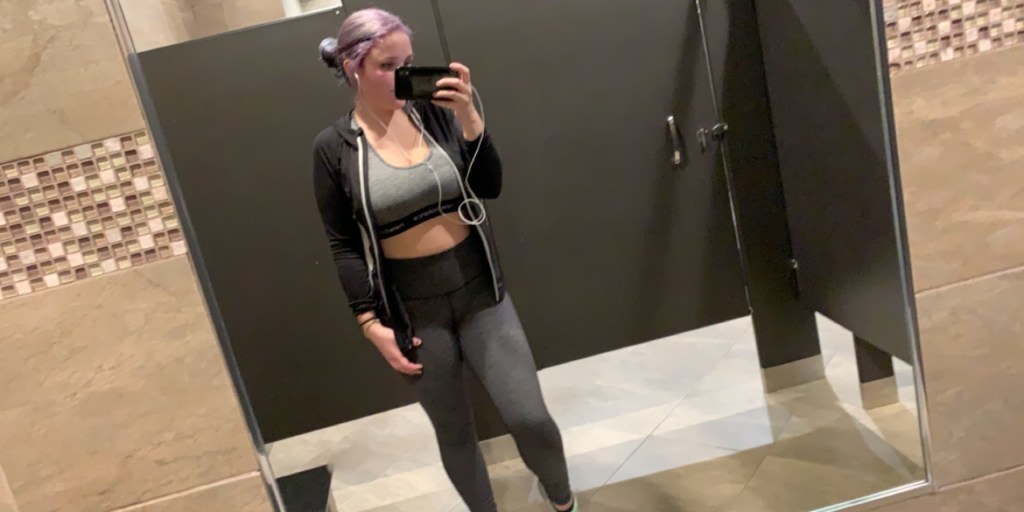
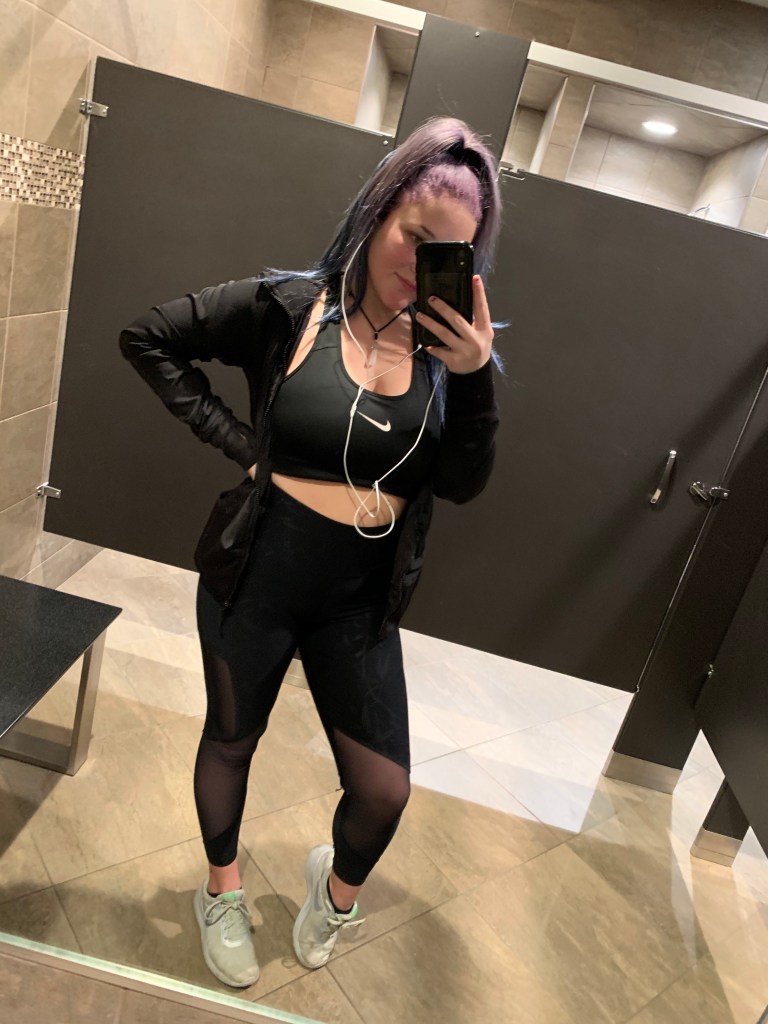
My first day back at the gym since who knows when

Introduction to Ary’s health and wellness blog

Hello everyone! My name is Aryana and the health aspect I am working on this semester is to hopefully lose 10 to 20 pounds by changing my diet and exercising more. Lately I have been eating a lot of comfort foods and haven’t been doing much of anything to exercise, but changing these bad habits into healthy ones is something I really hope to do. I plan on working my way up to going to the gym 5 times a week and cutting that midnight snack. I am setting myself a food curfew of 7pm and replacing meals loaded with carbs with meals with a balance of fruits, vegetables and protein. I only recently started this lifestyle change and there have been ups and downs but so far I feel like I have more energy and have been more productive since I began about a week ago. I can’t wait to see how far we have all come with our goals at the end of the semester!

Introduce Yourself (Example Post)

This is an example post, originally published as part of Blogging University. Enroll in one of our ten programs, and start your blog right.

You’re going to publish a post today. Don’t worry about how your blog looks. Don’t worry if you haven’t given it a name yet, or you’re feeling overwhelmed. Just click the “New Post” button, and tell us why you’re here.

Why do this?

  • Because it gives new readers context. What are you about? Why should they read your blog?
  • Because it will help you focus you own ideas about your blog and what you’d like to do with it.

The post can be short or long, a personal intro to your life or a bloggy mission statement, a manifesto for the future or a simple outline of your the types of things you hope to publish.

To help you get started, here are a few questions:

  • Why are you blogging publicly, rather than keeping a personal journal?
  • What topics do you think you’ll write about?
  • Who would you love to connect with via your blog?
  • If you blog successfully throughout the next year, what would you hope to have accomplished?

You’re not locked into any of this; one of the wonderful things about blogs is how they constantly evolve as we learn, grow, and interact with one another — but it’s good to know where and why you started, and articulating your goals may just give you a few other post ideas.

Can’t think how to get started? Just write the first thing that pops into your head. Anne Lamott, author of a book on writing we love, says that you need to give yourself permission to write a “crappy first draft”. Anne makes a great point — just start writing, and worry about editing it later.

When you’re ready to publish, give your post three to five tags that describe your blog’s focus — writing, photography, fiction, parenting, food, cars, movies, sports, whatever. These tags will help others who care about your topics find you in the Reader. Make sure one of the tags is “zerotohero,” so other new bloggers can find you, too.

Design a site like this with WordPress.com
Get started