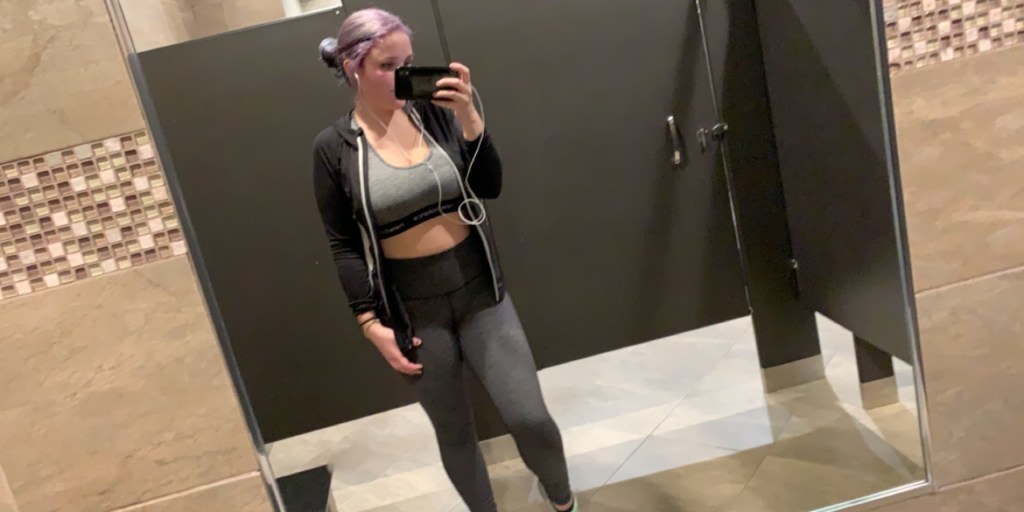
I wasn’t feeling well the other day at the gym, but I got ready and went anyway. I did not run as I expected, but I walked for 30 mins at a 12 incline. Once I was at the gym I felt better, and had more energy.
Learned Optimism is a term that I have never heard before and that I find very interesting. It is the idea that “by changing our self-talk, examining our reactions, and blocking negative thoughts, we can ‘unlearn’ negative thought processes that have become habitual”(Donatelle, 2019 p.31). Learned optimism is something that everyone can benefit from using and I think it would be a great thing for me to incorporate into my everyday life. I am sure many of us are guilty of listening to negative thoughts, and I think its important to remind ourselves to redirect our thoughts when they happen.
In section 2.3 dysfunctional families are discussed. The book talks about how “dysfunctional families in which there is violence, distrust, anger, dietary deprivation, drug abuse , significant parental discord, or abuse” ( Donatelle, 2019 p. 30) can cause an increased risk of psychological problems in children. But that doesn’t mean that children in healthy homes won’t experience. psychological problems. This relates to my life because I am currently doing an internship with suicidal teenagers. Many of these teenagers come from dysfunctional families, and many of them come from “normal” and supportive families. Whether they become psychologically healthy is all dependent on their own willingness to get better and from their support system.
Since this chapter of the book focused on mental health and psychological problems, I thought it would be a good thing to end this blog talking about suicide prevention. The end of the chapter talks a bit about warning signs and how to prevent it, and I think this is something that everyone should be at least somewhat knowledgable about. Some ways to prevent suicide are to take threats seriously, explain to the person that you care and want to help, don’t belittle their feelings and get them help from their loved ones or a counselor. Most people in that type of situation don’t really want to die, they just feel like there is no other option. Working with depressed and suicidal kids in my internship has taught me that it is really important to validate their feelings and remind them that they are not alone
 Aryana's Blog